NAD+ Nasal Spray 1000mg
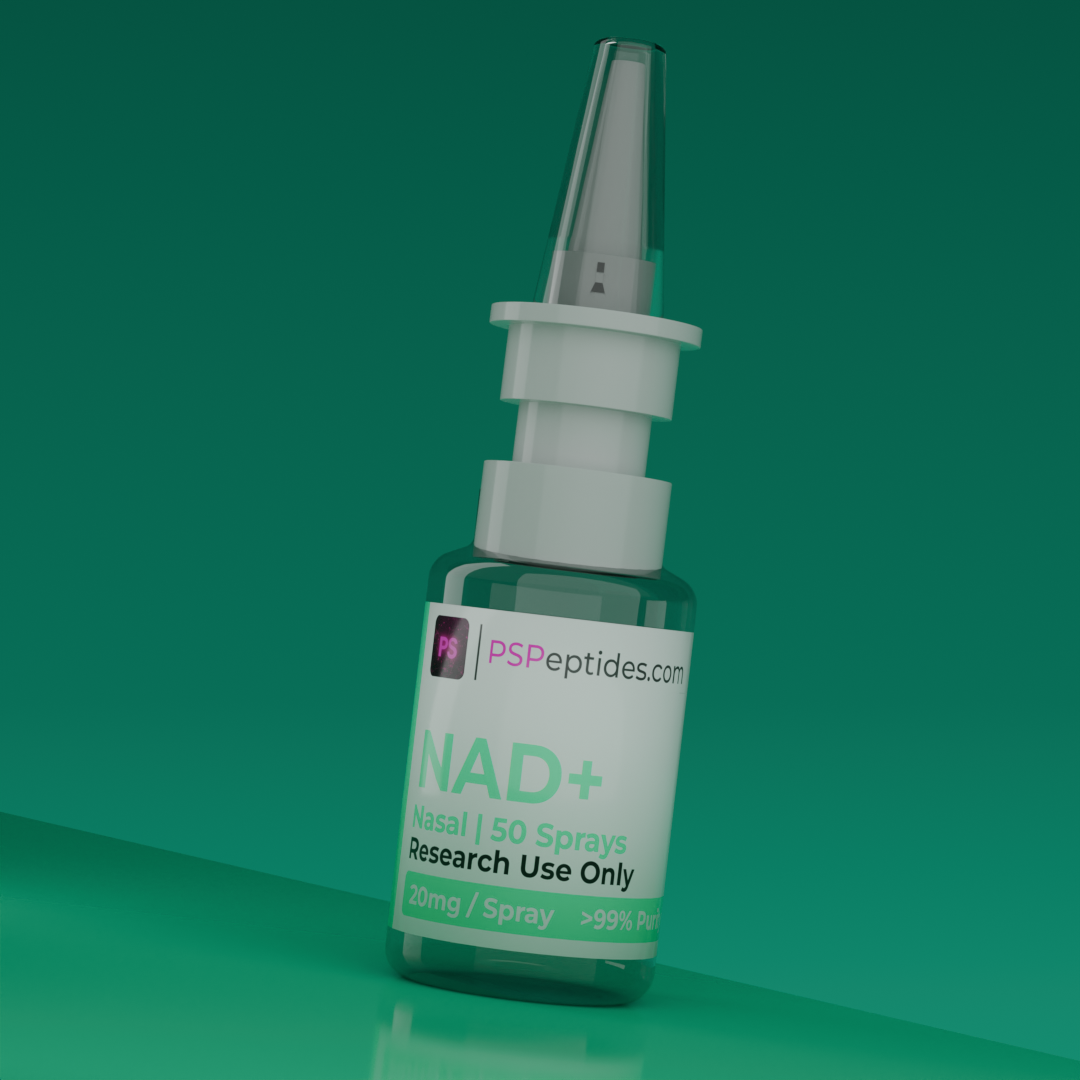
NAD+ Nasal Spray 1000mg from PS Peptides, nasal spray. Third-party COA published by the vendor. Research use only.
NMN vs NAD compared for UK readers: precursor supplement or clinic drip, how each is sold, what the evidence covers and the practical differences in cost.

NAD+ Nasal Spray 1000mg from PS Peptides, nasal spray. Third-party COA published by the vendor. Research use only.
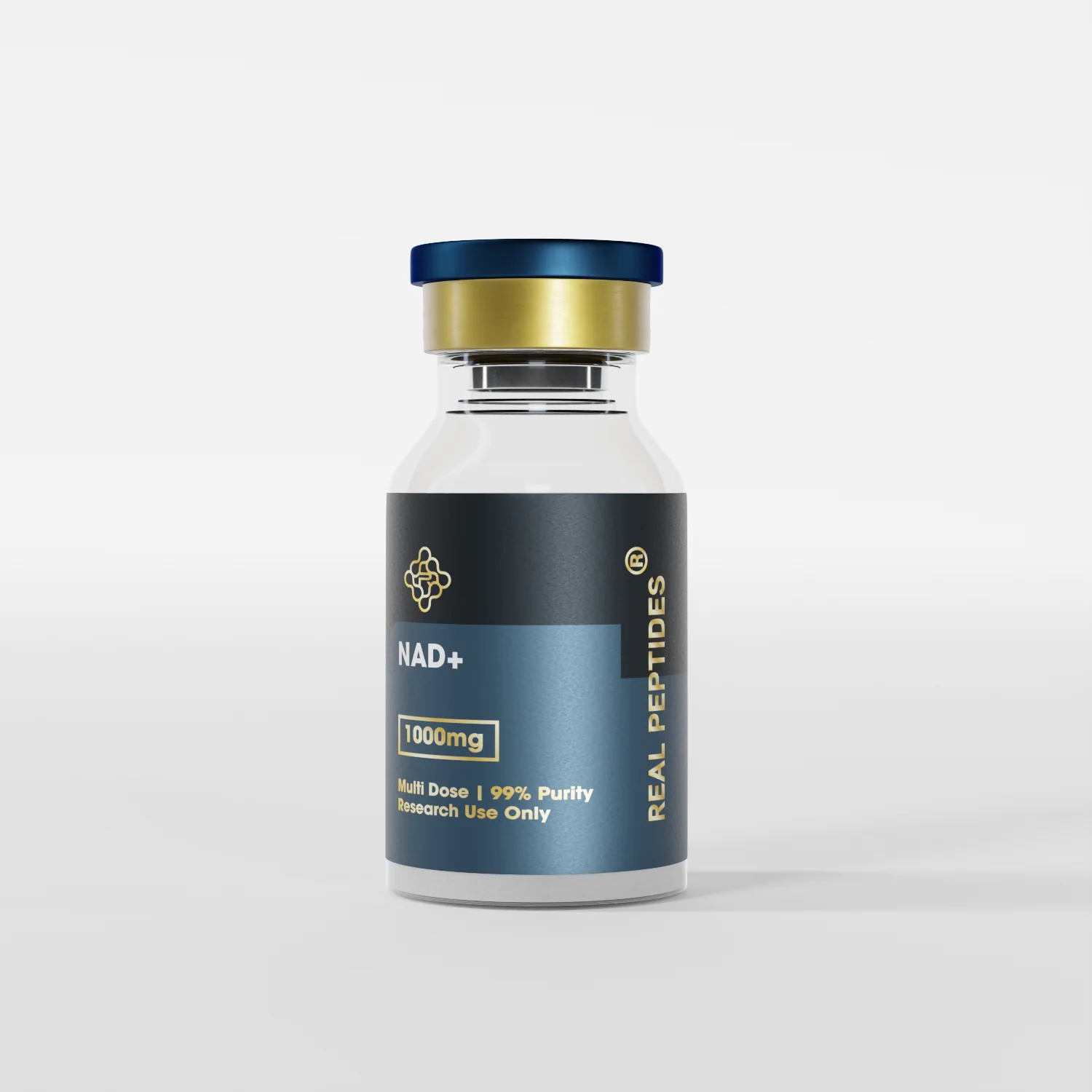
NAD+ research peptide in a multi-dose vial. Independent lab tested with COA published per lot. Ships from US stock.
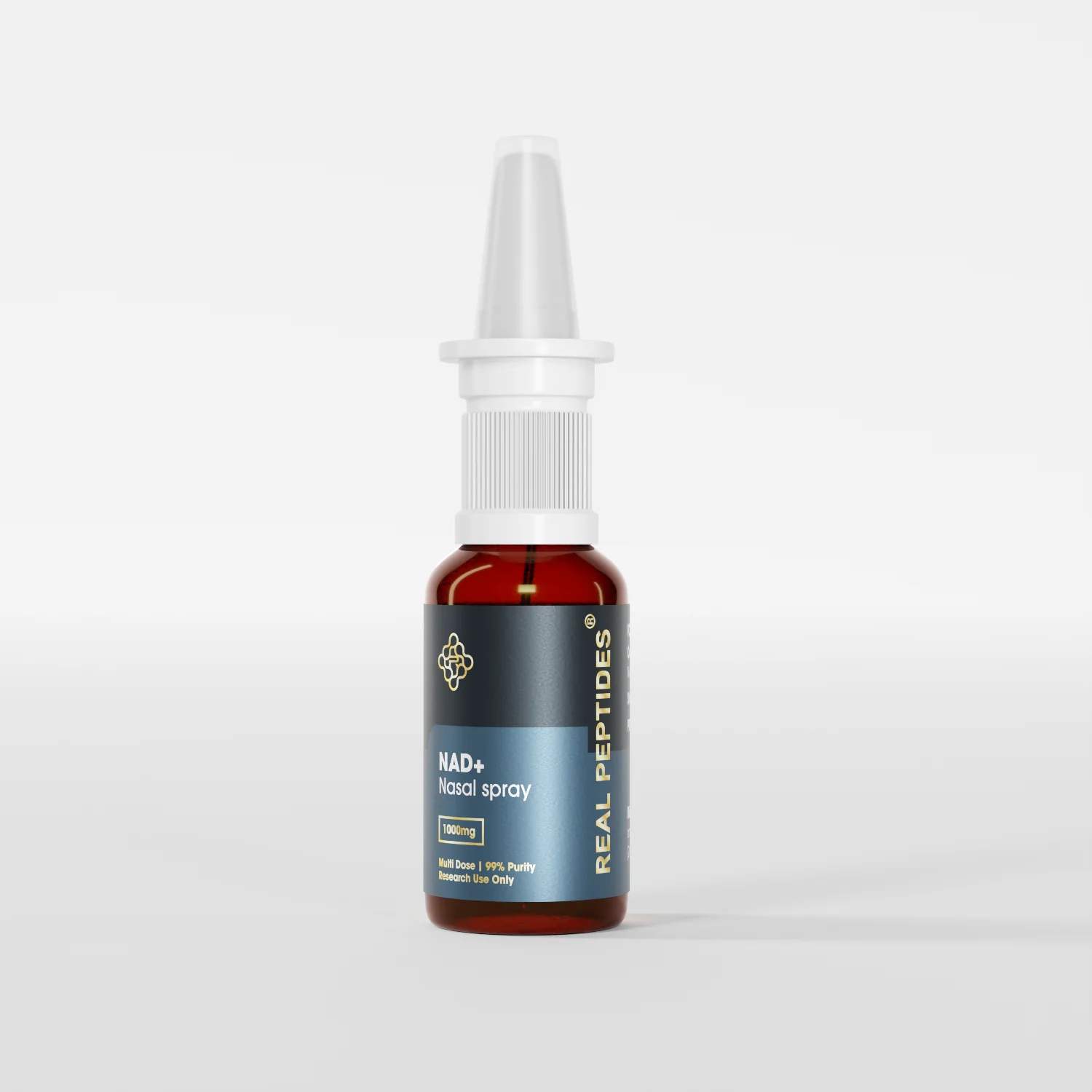
NAD+ in a 1000 mg liquid spray format. Lab tested per lot with COA published. Ships from US stock.
NAD+ Nasal Spray from Pure Bio Labs, nasal spray. Third-party COA published by the vendor. Research use only.
| Product | Form | Size | Testing | UK delivery | Price |
|---|---|---|---|---|---|
| PS Peptides NAD+ Nasal Spray 1000mg | Nasal spray | 1000mg | Third-party COA | Vendor ships internationally | $139.99 |
| Real Peptides NAD+ Peptide (Multi-Dose Vial) | Lyophilized powder | — | Third-party COA | — | $60.00 |
| Real Peptides NAD+ Peptide Liquid Spray (100 | Liquid spray | — | Third-party COA | — | $120.00 |
| Pure Bio Labs NAD+ Nasal Spray | Nasal spray | — | Third-party COA | Not stated by the vendor | $119.00 |
NAD+ is used in drip form in clinics in the UK. It is sold in vials of $60.00 or liquid sprays of $120.00 by some suppliers. The difference between NMN and NAD is that NMN is sold as a food supplement for oral consumption. The reason for most online searches on NMN versus NAD is whether NMN is able to perform the function of NAD since it is much cheaper. The truth is that neither of these two substances has proven scientific evidence to support the claims made about their efficacy.
I have presented this comparison honestly, showing what each product is, how it is supplied in the UK, what does the proof entail and what is the downside of each of them.
The body utilizes NAD+ as the coenzyme, while NMN serves as a precursor from which NAD+ is produced. The function of NAD+ (which stands for nicotinamide adenine dinucleotide) forms an integral part of the way that cells derive energy from food. Many research findings have revealed that the levels of NAD+ decrease with age.
NMN and NR are the two precursors. They are not NAD+ itself as the concept is to provide the body with more raw ingredients to form enough of their NAD+. Trying to bypass this step is administering NAD+ as a drip or as a research substance.
Every methodology has a shortcoming of its own. In the case of the precursor, the dilemma is how much NAD+ is produced in the body, and where. In the case of NAD+, the issue is whether a substance administered into the blood is really delivered into important tissues and cells. Neither of these questions can be answered in the context of controlled human studies, and hence the NMN vs NAD discussion is based on beliefs and opinions rather than facts.
The legality of the two products is also different. NMN is marketed as a food supplement while injectable NAD+ is not a licensed medicine, and by the Human Medicines Regulation 2012 any product advertised as treating a disease is classified as a medicine.
NMN, UK customers are able to buy it as an oral supplement, while NAD+ makes its way to buyers via clinics or as a research product. Such a way of entering the market makes a difference in pricing, regulation and legality.
| Point | NAD+ (drip, injection, research product) | NMN |
|---|---|---|
| Typical form | Clinic IV drip or injection; research vial or spray | Oral capsules or powder |
| Who sells it | Private clinics and IV bars; research vendors | Supplement retailers |
| Oversight | Clinician at a clinic; none with research products | Sold as a supplement, no prescriber |
| Licensed medicine | No | No |
| Price | Clinic prices vary widely; research vial $60.00, spray $120.00 | Varies by retailer |
Our NAD+ injections comparison covers the research vial and spray in detail.
Research using both NAD+ and its precursors has primarily been conducted in cellular and animal settings. Thus, there is ample evidence concerning NAD+ benefits from a variety of studies, but relatively little regarding its effects on humans.
The same caution should be employed regarding NMN. An intelligent mechanism and decent data from mice do not equate to evidence that a particular supplement changes human feelings or age. Just like claims regarding NAD+ have no backing from controlled human studies, the same should be done with NMN claims.
We look at the clinic claims for IV NAD+ point by point on our page about NAD IV therapy.
There are practical differences such as supervision, consequences and the monetary aspect involved. For a clinic administration, one has to have a practitioner, a needle and a session. In case of NMN capsule, none of these are needed.
Isn't the important question, "What do I want to change and is there any evidence that this is going to change?" The answer is no; for most of the outcomes on offer in the marketing claims of both products.
If you are tired, ageing worries you or you want to lose weight, those are worth raising with your GP or pharmacist, who can look at causes and at licensed options. If you go ahead with a clinic, read our page on NAD injection side effects first. And if you take regular medicines, ask a pharmacist before adding any supplement.
NAD+ is used in drip form in clinics in the UK. It is sold in vials of $60.00 or liquid sprays of $120.00 by some suppliers. The difference between NMN and NAD is that NMN is sold as a food supplement for oral consumption. The reason for most online searches on NMN versus NAD is whether NMN is able to perform the function of NAD since it is much cheaper. The truth is that neither of these two substances has proven scientific evidence to support the claims made about their efficacy.
I have presented this comparison honestly, showing what each product is, how it is supplied in the UK, what does the proof entail and what is the downside of each of them.
The body utilizes NAD+ as the coenzyme, while NMN serves as a precursor from which NAD+ is produced. The function of NAD+ (which stands for nicotinamide adenine dinucleotide) forms an integral part of the way that cells derive energy from food. Many research findings have revealed that the levels of NAD+ decrease with age.
NMN and NR are the two precursors. They are not NAD+ itself as the concept is to provide the body with more raw ingredients to form enough of their NAD+. Trying to bypass this step is administering NAD+ as a drip or as a research substance.
Every methodology has a shortcoming of its own. In the case of the precursor, the dilemma is how much NAD+ is produced in the body, and where. In the case of NAD+, the issue is whether a substance administered into the blood is really delivered into important tissues and cells. Neither of these questions can be answered in the context of controlled human studies, and hence the NMN vs NAD discussion is based on beliefs and opinions rather than facts.
The legality of the two products is also different. NMN is marketed as a food supplement while injectable NAD+ is not a licensed medicine, and by the Human Medicines Regulation 2012 any product advertised as treating a disease is classified as a medicine.
NMN, UK customers are able to buy it as an oral supplement, while NAD+ makes its way to buyers via clinics or as a research product. Such a way of entering the market makes a difference in pricing, regulation and legality.
| Point | NAD+ (drip, injection, research product) | NMN |
|---|---|---|
| Typical form | Clinic IV drip or injection; research vial or spray | Oral capsules or powder |
| Who sells it | Private clinics and IV bars; research vendors | Supplement retailers |
| Oversight | Clinician at a clinic; none with research products | Sold as a supplement, no prescriber |
| Licensed medicine | No | No |
| Price | Clinic prices vary widely; research vial $60.00, spray $120.00 | Varies by retailer |
Our NAD+ injections comparison covers the research vial and spray in detail.
Research using both NAD+ and its precursors has primarily been conducted in cellular and animal settings. Thus, there is ample evidence concerning NAD+ benefits from a variety of studies, but relatively little regarding its effects on humans.
The same caution should be employed regarding NMN. An intelligent mechanism and decent data from mice do not equate to evidence that a particular supplement changes human feelings or age. Just like claims regarding NAD+ have no backing from controlled human studies, the same should be done with NMN claims.
We look at the clinic claims for IV NAD+ point by point on our page about NAD IV therapy.
There are practical differences such as supervision, consequences and the monetary aspect involved. For a clinic administration, one has to have a practitioner, a needle and a session. In case of NMN capsule, none of these are needed.