NAD+
NAD injection dosage explained: why no approved dose exists, why forum protocols are anecdotes, what regulators say and why a clinician makes the call.
On 24 August 2026 the FDA sent warning letters to five online peptide vendors and named dosing guidance, reconstitution calculators and bacteriostatic water sold next to injectables as evidence that products were meant for human use. That is why you will not find a NAD injection dosage on this page, and why you should be wary of anyone online who offers you one.
This isn’t us being coy about the situation; rather us stating a fact. There is officially no such thing as an approved dosage of NAD for injections, as NAD+ is not a licensed medication within the UK or an FDA-approved drug in the US. Below you will see the reasons why this is important and who should actually be deciding on this dosage.
A sanctioned dosage is the result of a licensing process, and NAD+ injections were not subjected to this process. The labeled dosage of an approved medication is determined by trials that determine the effectiveness and safety of various dosages.
Evidence concerning humans receiving NAD+ through injection is still limited, with most solid data coming from animal or cellular models. Without the running of the trial program, it is impossible to give any authoritative information. Therefore the figure you will find will be someone's decision, not an exact NAD+ number.
Let's take a look at how this is different from licensed medicine in the U.K. Prescription medicines reach the patient through the prescriber who has examined the patient and the licensed pharmacy which dispenses the medicine. The dosage is decided based on the product license and the decision of the prescriber. In the case of injectable NAD+, there is no product license so there is no such chain of events present unlike with a prescription when the webpage cannot take its place.
That explains why even two clinics can conduct NAD therapies quite differently. Neither follows a protocol authorized or approved by the government or any organization because no such protocol exists.
Despite their confident writing style, the claim that social media and forum protocols are successful is based on individual experiences, marketing techniques, or figures taken from someone else's blog; they are not tested in laboratory experiments.
The common mistakes I see in these threads:
Our page on NAD injection side effects explains those reactions and when to seek help.
The regulators view guidance on dosing as a marker that a product is being sold for human consumption. According to letters for August 2026 by the FDA, labels saying “research use only” aren't conclusive; the FDA reviews the entire website.
The UK principle points the same way. Under the Human Medicines Regulations 2012 a product is classed by its intended use, and in April 2026 the Guardian reported that the MHRA was investigating UK peptide clinics making medicinal claims about unregulated products. A seller that pairs a research label with dosing advice is contradicting its own label. Our guide to NAD injections in the UK covers the rules in more detail.
After consulting with a qualified clinician, a competent physician in the clinic will determine whether NAD+ would suit you or not. This decision will rely on your medical history, medications and the effect of the procedure on you.
Ask the clinic who that person is and what their registration is. A clinic that offers a standard package to everyone, without asking about your health, is not making an individual clinical decision. We describe a typical session on our page about what a NAD drip involves.
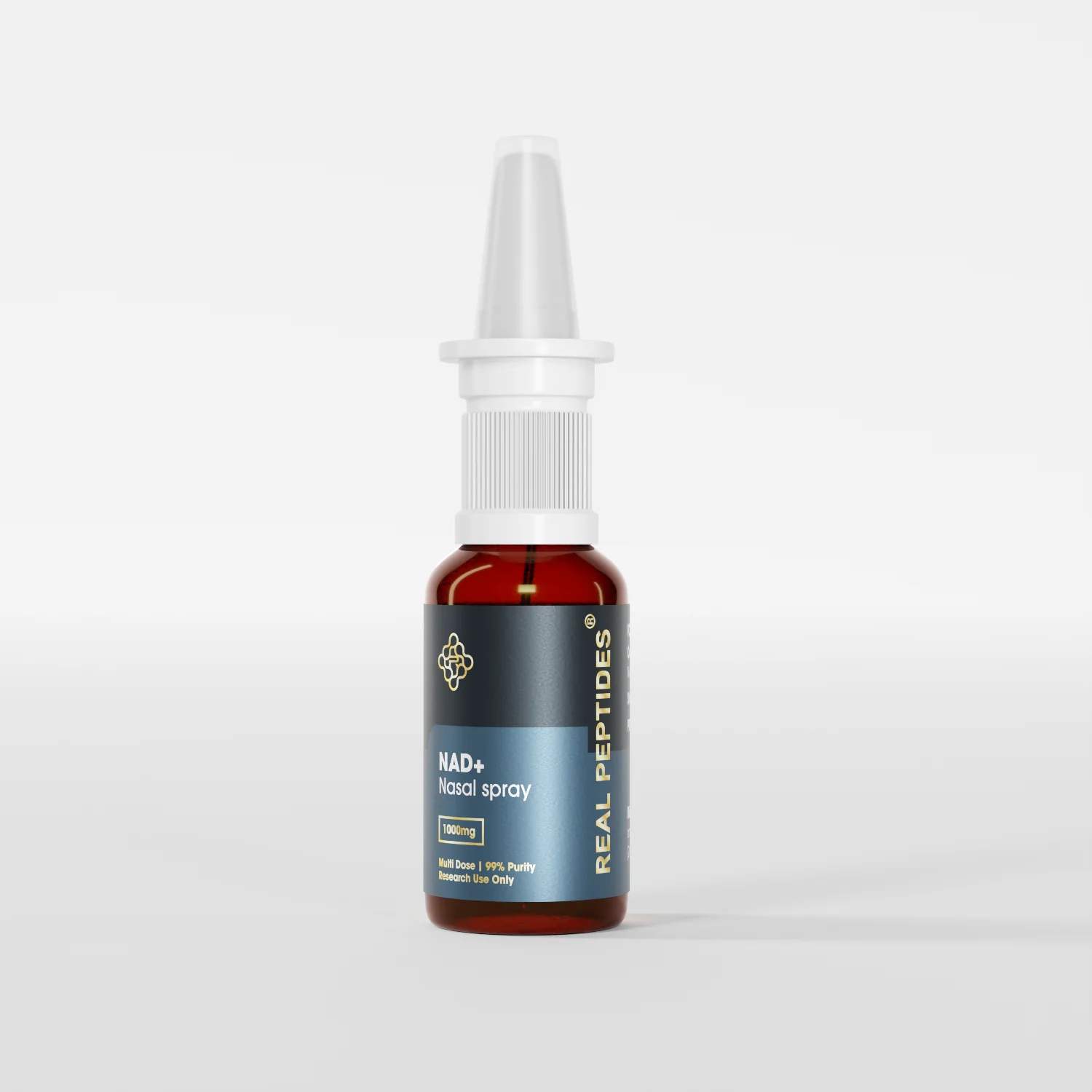
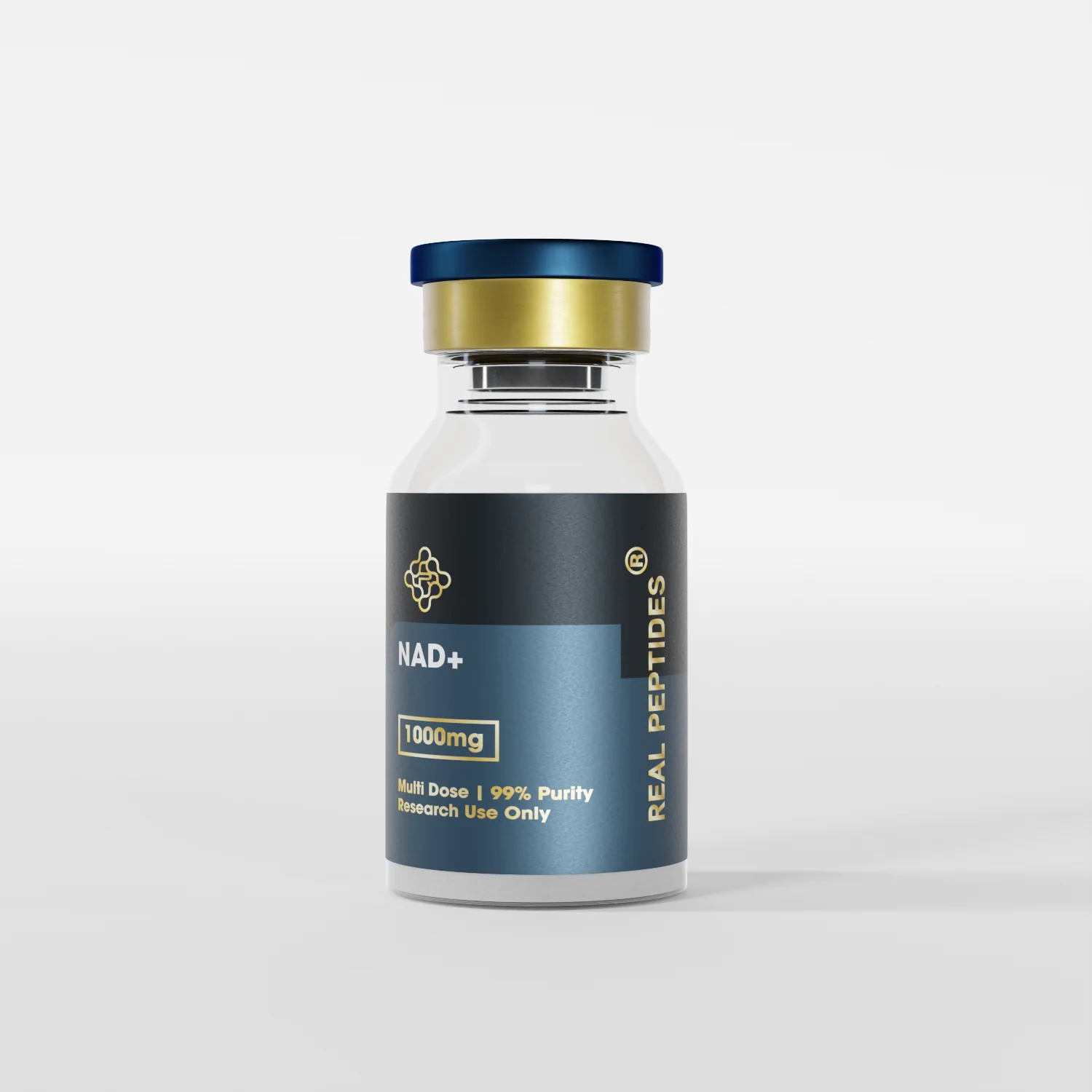
Research NAD+ products are sold with no dosing information because they are labelled not for human consumption. The Real Peptides NAD+ multi-dose vial, listed at $60.00 (US dollars), and the NAD+ liquid spray, listed at $120.00, both come without a physician consultation.
We do not supply handling or mixing or dosing instructions for these products, nor would we be happy with a company that did. If you are considering NAD+ for your health, the person to talk to is your GP or pharmacist. In the case of licensed medicines, dosing is always governed by the prescriber.
On 24 August 2026 the FDA sent warning letters to five online peptide vendors and named dosing guidance, reconstitution calculators and bacteriostatic water sold next to injectables as evidence that products were meant for human use. That is why you will not find a NAD injection dosage on this page, and why you should be wary of anyone online who offers you one.
This isn’t us being coy about the situation; rather us stating a fact. There is officially no such thing as an approved dosage of NAD for injections, as NAD+ is not a licensed medication within the UK or an FDA-approved drug in the US. Below you will see the reasons why this is important and who should actually be deciding on this dosage.
A sanctioned dosage is the result of a licensing process, and NAD+ injections were not subjected to this process. The labeled dosage of an approved medication is determined by trials that determine the effectiveness and safety of various dosages.
Evidence concerning humans receiving NAD+ through injection is still limited, with most solid data coming from animal or cellular models. Without the running of the trial program, it is impossible to give any authoritative information. Therefore the figure you will find will be someone's decision, not an exact NAD+ number.
Let's take a look at how this is different from licensed medicine in the U.K. Prescription medicines reach the patient through the prescriber who has examined the patient and the licensed pharmacy which dispenses the medicine. The dosage is decided based on the product license and the decision of the prescriber. In the case of injectable NAD+, there is no product license so there is no such chain of events present unlike with a prescription when the webpage cannot take its place.
That explains why even two clinics can conduct NAD therapies quite differently. Neither follows a protocol authorized or approved by the government or any organization because no such protocol exists.
Despite their confident writing style, the claim that social media and forum protocols are successful is based on individual experiences, marketing techniques, or figures taken from someone else's blog; they are not tested in laboratory experiments.
The common mistakes I see in these threads:
Our page on NAD injection side effects explains those reactions and when to seek help.
The regulators view guidance on dosing as a marker that a product is being sold for human consumption. According to letters for August 2026 by the FDA, labels saying “research use only” aren't conclusive; the FDA reviews the entire website.
The UK principle points the same way. Under the Human Medicines Regulations 2012 a product is classed by its intended use, and in April 2026 the Guardian reported that the MHRA was investigating UK peptide clinics making medicinal claims about unregulated products. A seller that pairs a research label with dosing advice is contradicting its own label. Our guide to NAD injections in the UK covers the rules in more detail.
After consulting with a qualified clinician, a competent physician in the clinic will determine whether NAD+ would suit you or not. This decision will rely on your medical history, medications and the effect of the procedure on you.
Ask the clinic who that person is and what their registration is. A clinic that offers a standard package to everyone, without asking about your health, is not making an individual clinical decision. We describe a typical session on our page about what a NAD drip involves.