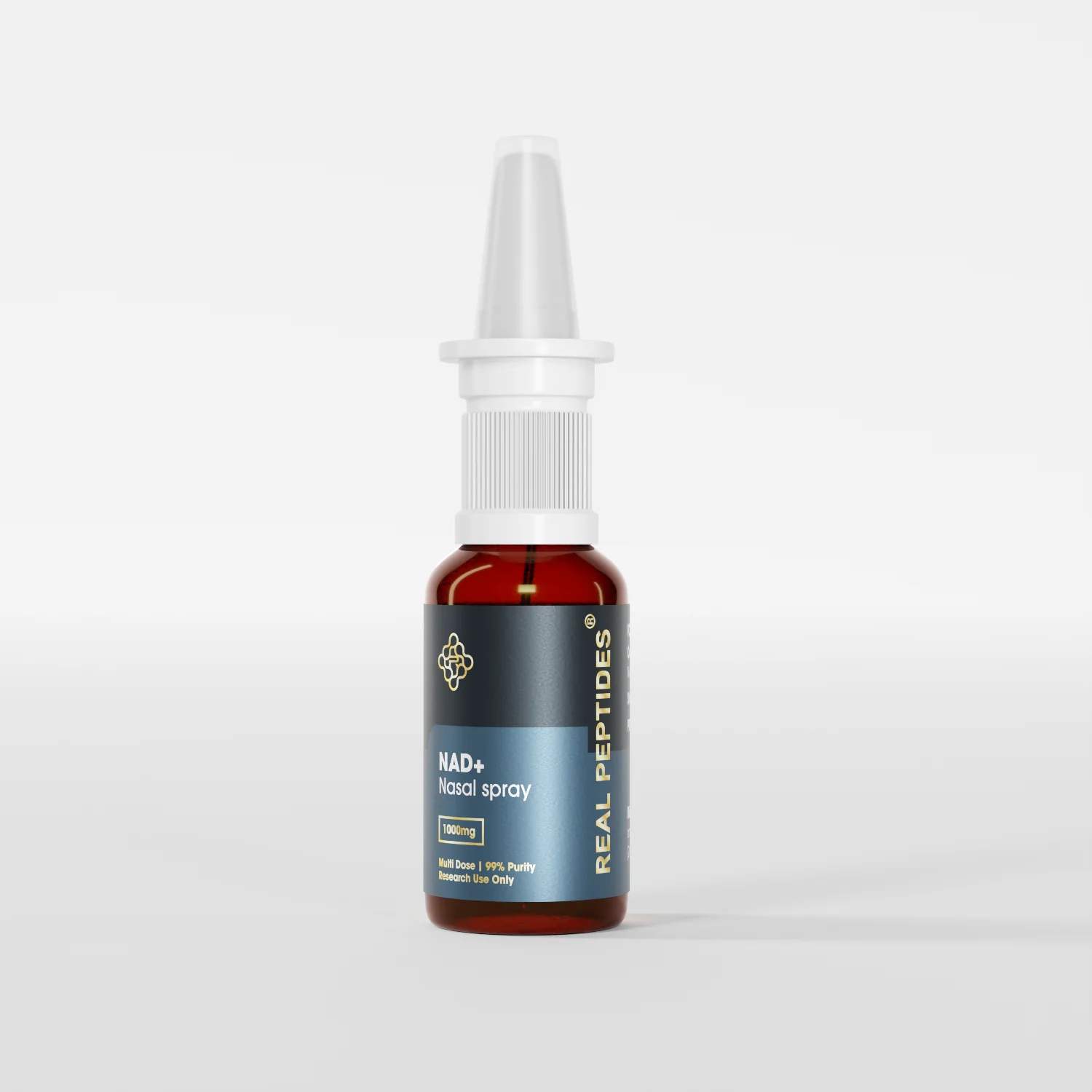
NAD+
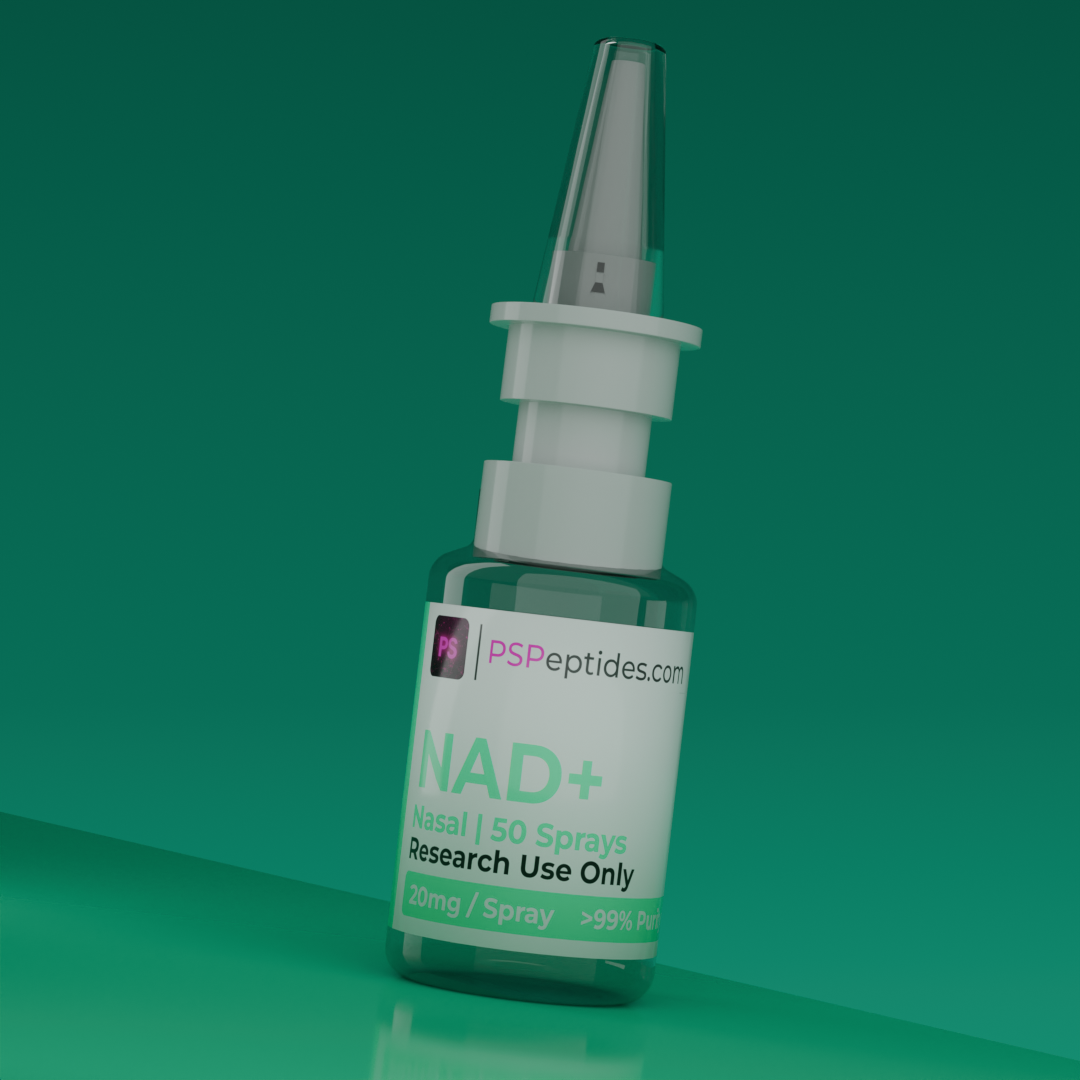
NAD IV therapy claims on energy, ageing, weight and focus checked against the evidence: what cell and animal studies show and what human trials have not.
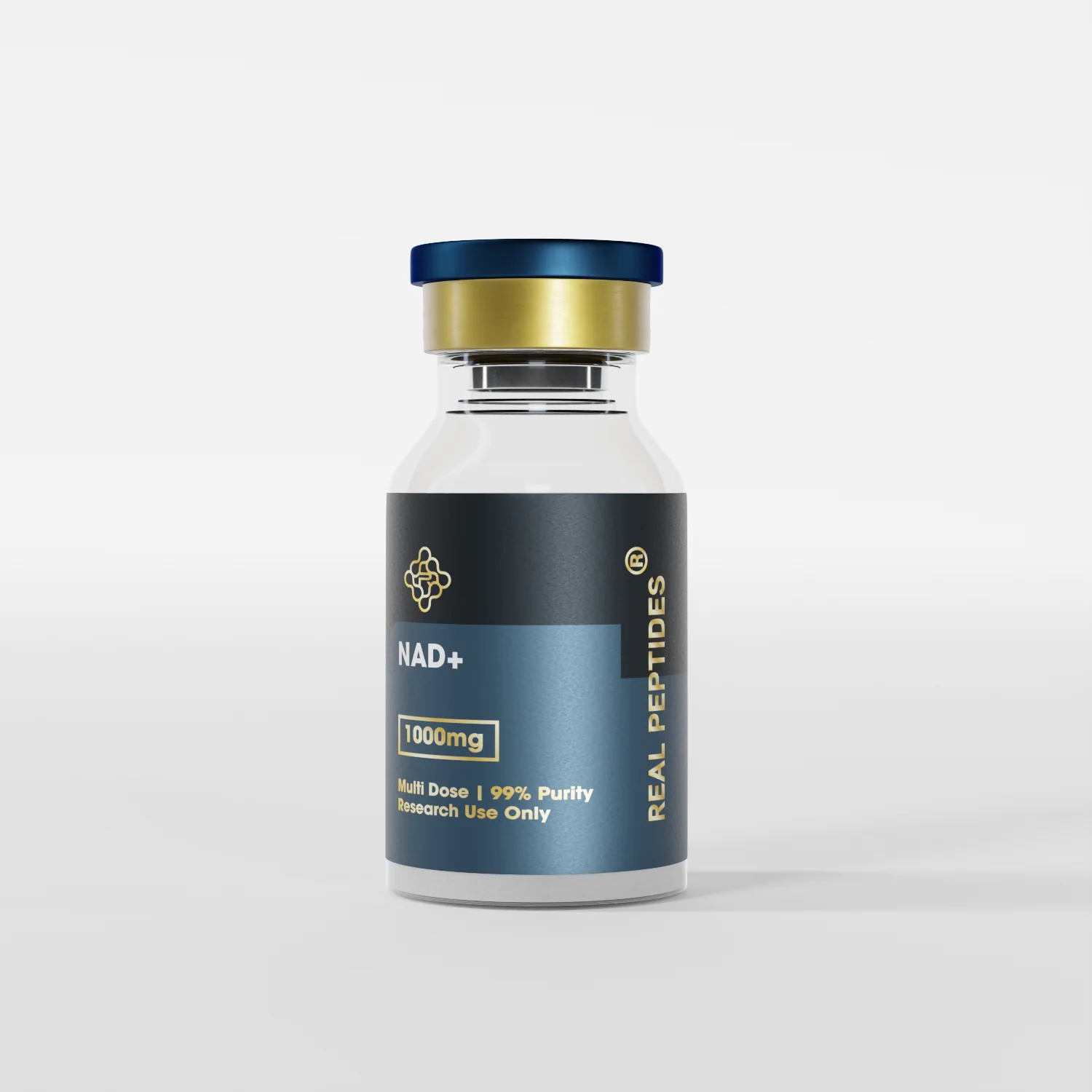
When the FDA wrote to five online peptide vendors on 24 August 2026, it said "research use only" labels do not settle anything: it judges the whole website, and disease claims count as evidence that a product is meant for human use. That is a useful lens for NAD IV therapy too, because the claims made for it are where the evidence is weakest.
In the following, I will thoroughly evaluate one at a time the preposterous claims made about NAD IV therapy, against what genuine research shows. In a nutshell: the biology is well-understood, but the outcomes for humans in terms of real data are scarce.
The four marketing claims of NAD IV therapy are mostly unproven by controlled trials conducted on people, thereby violating drug regulations.
| Claim | What the evidence shows |
|---|---|
| Restores energy | NAD+ is central to cellular energy metabolism, but human trials showing that infusions improve how energetic people feel are limited. |
| Slows ageing | NAD+ levels decline with age in many studies; the strongest data on reversing ageing markers come from cell and animal models. |
| Helps weight loss | Not supported by controlled human trials. |
| Sharpens the mind | No controlled human evidence that IV NAD+ improves cognition in healthy people. |
I haven’t come across any clinical web pages in which any of the outcomes mentioned above are substantiated by any controlled trials with humans.
The scientific background is credible since it is actual. NAD+ is a coenzyme found in all cells of the body, and it is involved in all processes that turn food into energy.
Several studies also show that NAD+ levels drop with age. If you combine these two facts, it creates a beautiful story: replenish NAD+ levels and your cells will behave like those of a young person. The issue is that a beautiful story is simply a hypothesis. Many therapies that worked well in cell studies do not prove successful in humans.
An additional gap exists between the drip bag and the cell. Introducing NAD+ into the bloodstream alone does not prove that it is delivered to the relevant tissues, or remains there for a sufficiently long period of time to have any effect.
The most reliable results on NAD+ originate from laboratory research conducted with cells and animal models, which usually generate aging and metabolism breakthroughs.
Results obtained from animals provide a valid justification for conducting human trials. However, these findings cannot justify a commercialization of a product. When reading a headline such as "NAD+ has reverse ageing" or "NAD+ boosts mitochondria", ensure that the research has been conducted on humans. Typically, the answer will be a study on mice.
Oral precursors, NMN and NR, are often mentioned in the same breath, but they are a different product sold as food supplements. We compare them on our page about NMN vs NAD.
NAD+ as an injectable is not a licensed medicine in the UK and is not an FDA-approved drug in the US. Under the Human Medicines Regulations 2012 a product promoted to treat injury, cognition or metabolic health can be treated as a medicine.
In April 2026 the Guardian reported that the MHRA was investigating UK peptide clinics making medicinal claims about unregulated products. For you as a customer, that means a clinic making strong treatment claims is not only overselling; it may be stepping outside the rules. Our guide to NAD injections in the UK explains the framework.
The best defence is a short list of questions you put to any clinic or seller before you pay:
A clinic that answers honestly will tell you the evidence is early. That honesty is a better signal than any testimonial. You can read what clinics commonly report on our page about NAD injection side effects, and if you are weighing NAD IV therapy for a health problem, speak to your GP or pharmacist first.
When the FDA wrote to five online peptide vendors on 24 August 2026, it said "research use only" labels do not settle anything: it judges the whole website, and disease claims count as evidence that a product is meant for human use. That is a useful lens for NAD IV therapy too, because the claims made for it are where the evidence is weakest.
In the following, I will thoroughly evaluate one at a time the preposterous claims made about NAD IV therapy, against what genuine research shows. In a nutshell: the biology is well-understood, but the outcomes for humans in terms of real data are scarce.
The four marketing claims of NAD IV therapy are mostly unproven by controlled trials conducted on people, thereby violating drug regulations.
| Claim | What the evidence shows |
|---|---|
| Restores energy | NAD+ is central to cellular energy metabolism, but human trials showing that infusions improve how energetic people feel are limited. |
| Slows ageing | NAD+ levels decline with age in many studies; the strongest data on reversing ageing markers come from cell and animal models. |
| Helps weight loss | Not supported by controlled human trials. |
| Sharpens the mind | No controlled human evidence that IV NAD+ improves cognition in healthy people. |
I haven’t come across any clinical web pages in which any of the outcomes mentioned above are substantiated by any controlled trials with humans.
The scientific background is credible since it is actual. NAD+ is a coenzyme found in all cells of the body, and it is involved in all processes that turn food into energy.
Several studies also show that NAD+ levels drop with age. If you combine these two facts, it creates a beautiful story: replenish NAD+ levels and your cells will behave like those of a young person. The issue is that a beautiful story is simply a hypothesis. Many therapies that worked well in cell studies do not prove successful in humans.
An additional gap exists between the drip bag and the cell. Introducing NAD+ into the bloodstream alone does not prove that it is delivered to the relevant tissues, or remains there for a sufficiently long period of time to have any effect.
The most reliable results on NAD+ originate from laboratory research conducted with cells and animal models, which usually generate aging and metabolism breakthroughs.
Results obtained from animals provide a valid justification for conducting human trials. However, these findings cannot justify a commercialization of a product. When reading a headline such as "NAD+ has reverse ageing" or "NAD+ boosts mitochondria", ensure that the research has been conducted on humans. Typically, the answer will be a study on mice.
Oral precursors, NMN and NR, are often mentioned in the same breath, but they are a different product sold as food supplements. We compare them on our page about NMN vs NAD.
NAD+ as an injectable is not a licensed medicine in the UK and is not an FDA-approved drug in the US. Under the Human Medicines Regulations 2012 a product promoted to treat injury, cognition or metabolic health can be treated as a medicine.
In April 2026 the Guardian reported that the MHRA was investigating UK peptide clinics making medicinal claims about unregulated products. For you as a customer, that means a clinic making strong treatment claims is not only overselling; it may be stepping outside the rules. Our guide to NAD injections in the UK explains the framework.