NAD+
What a NAD drip at a UK clinic involves: the consultation, what happens during the infusion, commonly reported reactions, costs and the red flags to watch.
UK clinics mostly report nausea, flushing, tightness of the chest and cramping during a NAD drip and that happens usually when the drip is delivered too fast. This is one of the details that makes the organization of the process clear: this is slower than during the vitamin drip, there is always someone watching and the pause button will be used.
On this page, you can read a guide on how things operate from the moment one books an appointment for their NAD infusion until they receive their aftercare, so you can ask the right questions to your doctor before your therapy. It does not include information on how much or long the infusion takes, since that kind of information can only be provided by a doctor, but not found on a website.
A reliable clinic begins with a consultation before starting the NAD drip. You will be asked questions about your medical history, medicines that you take, allergies, pregnancy and heart, kidney or liver issues.
The aim is to figure out if the drip treatment is right for you in the first place. If a medical facility does not perform the necessary work or does it with a simple online form, it is better to look for another place. The person who authorizes the treatment should be a qualified medical practitioner, and you have the right to know who he/she is and what qualifications he/she has.
This is also the moment to ask what the clinic claims the drip will do. NAD+ as an injectable is not a licensed medicine, and under the Human Medicines Regulations 2012 a product promoted to treat a condition can be classed as a medicine. Careful clinics avoid promising outcomes.
A cannula is put in place and the drip is connected by a doctor, followed by a process of infusion while the staff checks on the patient. Treatment sessions involving NAD+ are generally longer than stays for other IV drips due to slow injection rate so that patients do not have a reaction.
Tell staff straight away if you feel any of the following:
Clinics commonly respond by slowing or pausing the infusion. Chest tightness that does not settle quickly is a reason for proper medical assessment, not for pushing on. Our page on NAD injection side effects covers these reactions in more detail.
NAD infusion prices are determined by each clinic, with a wide range of costs in the UK, as there is no set or NHS price. Clinics also sell packages that consist of several treatment sessions.
When making the comparisons between offers, I look at the services offered rather than just the price of services: who will attend for the drip, and what action will be taken should some unwanted effect occur.
Be careful with sizable prepaid bundles. There is no evidence from any controlled human trials demonstrating beneficial effects of a NAD drip; hence, agreeing to multiple treatment sessions before finding out your response to the first one is putting the money before the facts. Inquire about the refund policy if you stop after experiencing adverse effects.
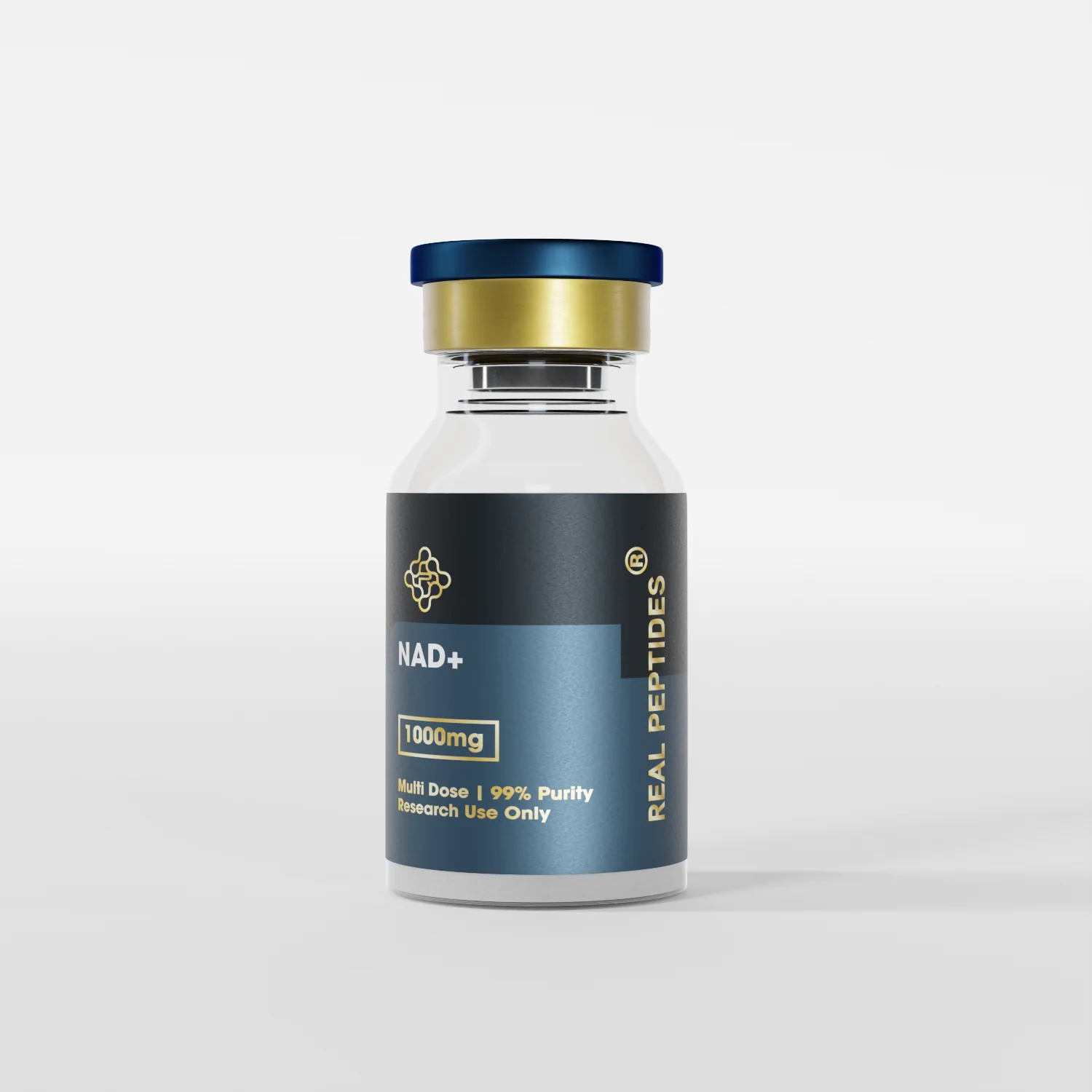
For context only, research-grade NAD+ from US vendors is sold at list prices such as $60.00 (US dollars) for a multi-dose vial. That is not a comparable product: it is labelled research use only and comes with no consultation or clinical oversight. Our NAD+ injections comparison explains those products.
An NAD IV puts NAD+ into the blood. What it achieves after that is still unknown, because no human studies have been performed. Most of the strong evidence on NAD+ comes from animal studies and cells.
Clinic claims about energy, mental clarity, ageing or weight go further than that evidence. Weight-loss claims in particular are not supported by controlled human trials. We set out the main claims and the evidence behind each on our page about NAD IV therapy.
After the drip, the cannula site may be sore or bruised for a day or two. Most clinic-reported reactions settle once the infusion stops, but any symptom that continues or worsens should be checked by your GP or NHS 111.
Red flags at the clinic itself include no consultation, no named clinician, pressure to buy a large package up front, and promises to treat or cure a condition. If you have a side effect, you can report it through the MHRA's Yellow Card scheme. Our guide to NAD injections in the UK lists the wider checks I would make before booking.
UK clinics mostly report nausea, flushing, tightness of the chest and cramping during a NAD drip and that happens usually when the drip is delivered too fast. This is one of the details that makes the organization of the process clear: this is slower than during the vitamin drip, there is always someone watching and the pause button will be used.
On this page, you can read a guide on how things operate from the moment one books an appointment for their NAD infusion until they receive their aftercare, so you can ask the right questions to your doctor before your therapy. It does not include information on how much or long the infusion takes, since that kind of information can only be provided by a doctor, but not found on a website.
A reliable clinic begins with a consultation before starting the NAD drip. You will be asked questions about your medical history, medicines that you take, allergies, pregnancy and heart, kidney or liver issues.
The aim is to figure out if the drip treatment is right for you in the first place. If a medical facility does not perform the necessary work or does it with a simple online form, it is better to look for another place. The person who authorizes the treatment should be a qualified medical practitioner, and you have the right to know who he/she is and what qualifications he/she has.
This is also the moment to ask what the clinic claims the drip will do. NAD+ as an injectable is not a licensed medicine, and under the Human Medicines Regulations 2012 a product promoted to treat a condition can be classed as a medicine. Careful clinics avoid promising outcomes.
A cannula is put in place and the drip is connected by a doctor, followed by a process of infusion while the staff checks on the patient. Treatment sessions involving NAD+ are generally longer than stays for other IV drips due to slow injection rate so that patients do not have a reaction.
Tell staff straight away if you feel any of the following:
Clinics commonly respond by slowing or pausing the infusion. Chest tightness that does not settle quickly is a reason for proper medical assessment, not for pushing on. Our page on NAD injection side effects covers these reactions in more detail.
NAD infusion prices are determined by each clinic, with a wide range of costs in the UK, as there is no set or NHS price. Clinics also sell packages that consist of several treatment sessions.
When making the comparisons between offers, I look at the services offered rather than just the price of services: who will attend for the drip, and what action will be taken should some unwanted effect occur.
Be careful with sizable prepaid bundles. There is no evidence from any controlled human trials demonstrating beneficial effects of a NAD drip; hence, agreeing to multiple treatment sessions before finding out your response to the first one is putting the money before the facts. Inquire about the refund policy if you stop after experiencing adverse effects.
For context only, research-grade NAD+ from US vendors is sold at list prices such as $60.00 (US dollars) for a multi-dose vial. That is not a comparable product: it is labelled research use only and comes with no consultation or clinical oversight. Our NAD+ injections comparison explains those products.
An NAD IV puts NAD+ into the blood. What it achieves after that is still unknown, because no human studies have been performed. Most of the strong evidence on NAD+ comes from animal studies and cells.
Clinic claims about energy, mental clarity, ageing or weight go further than that evidence. Weight-loss claims in particular are not supported by controlled human trials. We set out the main claims and the evidence behind each on our page about NAD IV therapy.