NAD+
NAD injection side effects reported by UK clinics: flushing, nausea, chest tightness and cramping, what is still unknown, and when to stop and seek help.
Most reported side effects are mild and temporary. Common reactions include flushing, nausea, headache and injection-site redness. If symptoms persist or worsen, stop use and consult a healthcare provider.
The infusion of NAD+ generally elicits four side effects in patients. These include symptoms such as flushing, nausea, tightness in the chest, and cramping of the muscles. The infusion of NAD+ leads to the appearance of these side effects mainly when the infusion is administered swiftly. These side effects of NAD injection have been reported by many clinics rather than biomedical trials.
The page explains about what is documented, what is undiscovered and at what point a reaction requires medical help. The facts only have been included rather than being enriched with all the symptoms alleged on discussion forums.
The side effects of NAD injection are most commonly related to the pace at which NAD+ is delivered and subside as soon as the infusion is either slowed or stopped.
Because these reactions are linked to how fast NAD+ is given, they are part of why clinics run NAD drips slowly. Our page on what a NAD drip session involves describes how a careful clinic handles them.
Honest gap refers to the long-term safety. Injectable NAD+ is not a licensed treatment in the UK and the FDA has not approved it either, as it has not been subjected to any trial process that would determine any side effects and how it would affect people in the long run like in clinical studies.
As a result, we do not have dependable numbers on the frequency with which each response occurs as well as clear understanding of effects stemming from sustained treatments. Any publication that provides a specific figure concerning the side effects of NAD+ should be probed about the origins of such information. The materials we have are not able to contain any.
The gap is even larger for research products that are used outside of the clinic. Products that are labelled for research use only have never been tested on human subjects in that setting.
A further uncertainty is product quality. The MHRA states unregulated sources may have products with unknown ingredients, production values and handling; furthermore the presence of a “research only” label does not guarantee that a product is manufactured to medicinal standards. A response to a research product may originate from the NAD+ itself, from an impurity or from the way it was handled, and there is no way of knowing which it was.
The risk of side effects varies in the clinical setting as compared to at home. That is because the person monitoring the patient differs in these environments. In a clinic, the clinician may slow down or stop a drug infusion as soon as he or she witnesses any reaction.
| Risk factor | Clinic session | Research vial or spray |
|---|---|---|
| Suitability assessed beforehand | Yes, at a responsible clinic | No |
| Someone present if you react | Yes | No |
| Product made to medicine standards | Ask the clinic | No: research labels do not mean medicine standards |
| Batch paperwork | Ask the clinic | Vendor COA for a sample of the batch |
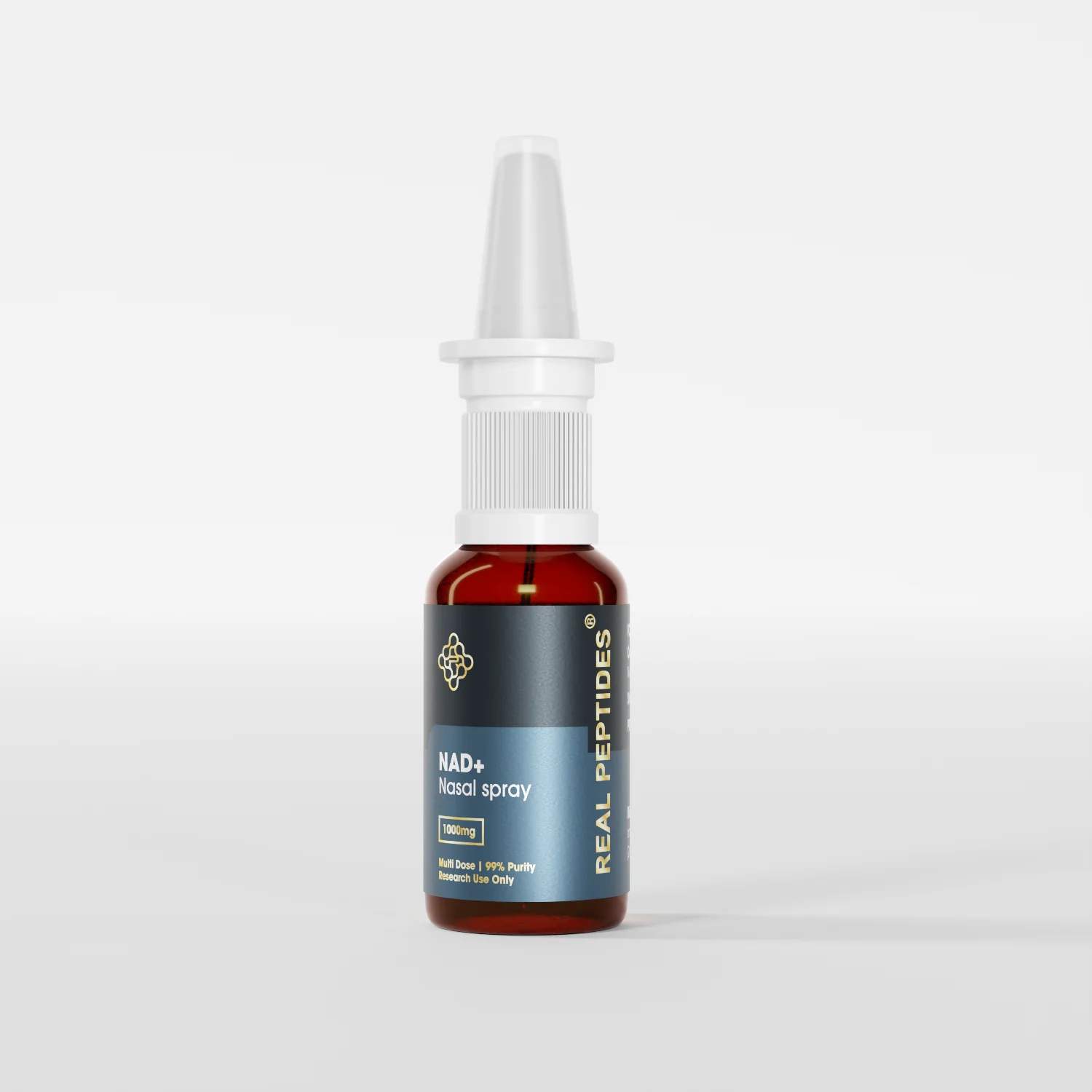
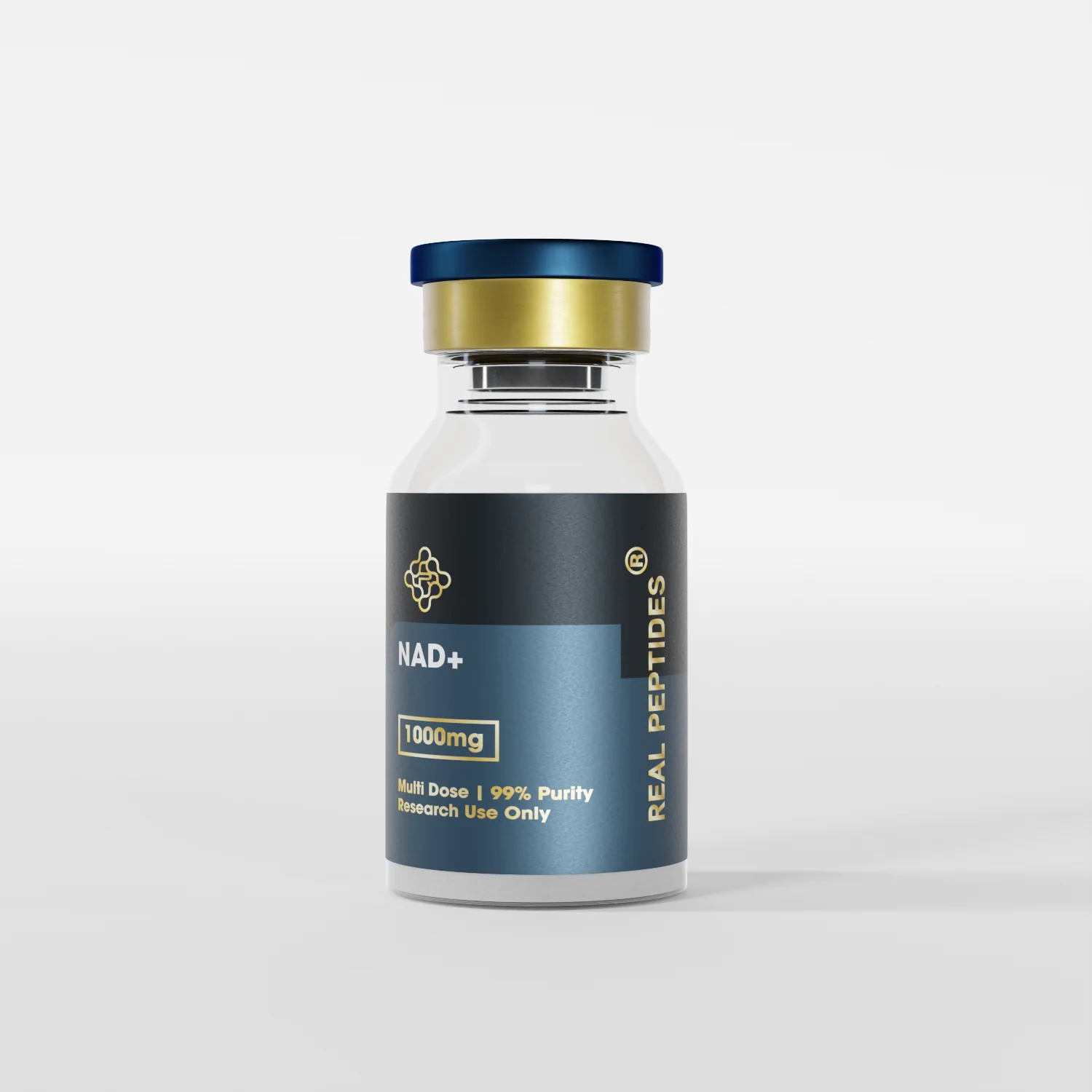
Research NAD+ products, such as the multi-dose vial listed at $60.00 (US dollars) by Real Peptides, come with no consultation. Our page on NAD at home covers the extra risks of that route.
It is advisable for people with any heart problems, renal or liver issues, and women who are pregnant or lactating, or who take regular medications to consult a physician before receiving any NAD+ therapy. This is a general precaution rather than a NAD+-specific alert and exemplifies why proper consultation is so important.
We have to take chest tightness seriously. I don't want anyone to think of it as _just the NAD_ if it really is something else. If it does not improve rapidly after stopping the infusion, it is important to seek help as soon as possible.
It is also advisable for athletes to confirm with their sport’s governing body the anti-doping status of anything they consume, as the UK Anti-Doping uses the WADA Prohibited List for UK athletes.
Stop and get help if a reaction is severe, does not settle, or comes with breathlessness, fainting or swelling of the face or throat. Call 999 for those. For milder symptoms that linger after a session, contact your GP or NHS 111.
Report any side effect to the MHRA through the Yellow Card scheme, whether it followed a clinic session or a product bought online. Reports are how regulators spot patterns. For the rules that apply to clinics and sellers, see our guide to NAD injections in the UK.
The infusion of NAD+ generally elicits four side effects in patients. These include symptoms such as flushing, nausea, tightness in the chest, and cramping of the muscles. The infusion of NAD+ leads to the appearance of these side effects mainly when the infusion is administered swiftly. These side effects of NAD injection have been reported by many clinics rather than biomedical trials.
The page explains about what is documented, what is undiscovered and at what point a reaction requires medical help. The facts only have been included rather than being enriched with all the symptoms alleged on discussion forums.
The side effects of NAD injection are most commonly related to the pace at which NAD+ is delivered and subside as soon as the infusion is either slowed or stopped.
Because these reactions are linked to how fast NAD+ is given, they are part of why clinics run NAD drips slowly. Our page on what a NAD drip session involves describes how a careful clinic handles them.
Honest gap refers to the long-term safety. Injectable NAD+ is not a licensed treatment in the UK and the FDA has not approved it either, as it has not been subjected to any trial process that would determine any side effects and how it would affect people in the long run like in clinical studies.
As a result, we do not have dependable numbers on the frequency with which each response occurs as well as clear understanding of effects stemming from sustained treatments. Any publication that provides a specific figure concerning the side effects of NAD+ should be probed about the origins of such information. The materials we have are not able to contain any.
The gap is even larger for research products that are used outside of the clinic. Products that are labelled for research use only have never been tested on human subjects in that setting.
A further uncertainty is product quality. The MHRA states unregulated sources may have products with unknown ingredients, production values and handling; furthermore the presence of a “research only” label does not guarantee that a product is manufactured to medicinal standards. A response to a research product may originate from the NAD+ itself, from an impurity or from the way it was handled, and there is no way of knowing which it was.
The risk of side effects varies in the clinical setting as compared to at home. That is because the person monitoring the patient differs in these environments. In a clinic, the clinician may slow down or stop a drug infusion as soon as he or she witnesses any reaction.
| Risk factor | Clinic session | Research vial or spray |
|---|---|---|
| Suitability assessed beforehand | Yes, at a responsible clinic | No |
| Someone present if you react | Yes | No |
| Product made to medicine standards | Ask the clinic | No: research labels do not mean medicine standards |
| Batch paperwork | Ask the clinic | Vendor COA for a sample of the batch |
Research NAD+ products, such as the multi-dose vial listed at $60.00 (US dollars) by Real Peptides, come with no consultation. Our page on NAD at home covers the extra risks of that route.
It is advisable for people with any heart problems, renal or liver issues, and women who are pregnant or lactating, or who take regular medications to consult a physician before receiving any NAD+ therapy. This is a general precaution rather than a NAD+-specific alert and exemplifies why proper consultation is so important.
We have to take chest tightness seriously. I don't want anyone to think of it as _just the NAD_ if it really is something else. If it does not improve rapidly after stopping the infusion, it is important to seek help as soon as possible.
It is also advisable for athletes to confirm with their sport’s governing body the anti-doping status of anything they consume, as the UK Anti-Doping uses the WADA Prohibited List for UK athletes.